The Technology Commons Alliance is a nonprofit organization advancing education, scientific research, and equitable participation in the systems shaping our shared future.
Scientific discovery and the progress of engineering belong to the whole of humanity.
AI’s foundational inputs are concentrating in a small number of institutions: models, data, compute, and distribution. TCA exists to broaden the conditions of participation: a 501(c)(3) nonprofit, organized and operated exclusively for charitable, educational, and scientific purposes, building a technology commons for AI.
Read “Why We Are Building TCA” by Songyee YoonTCA’s mission is to make open systems reliable, trustworthy and widely adoptable. This mission rests on three pillars:
However the programs evolve, five commitments govern how the work is done. They apply across all three pillars, to what we fund, how we invest, and how we convene. They are the standard we ask funders, grantees, and partners to hold us to.
Programs serve the public good, not private gain, and TCA’s activities, governance, and disclosures are structured to show it.
What TCA produces is published openly, with no embargo and no preferential terms. Research, tools, and materials stay on the public table for anyone to inspect and build on.
Work is conducted independently and published on its merits. Funders don’t set conclusions; methods and evidence do.
Broad participation across institutions, geographies, and communities, prioritizing those historically underrepresented in the rooms where technology is decided.
Published governance, financial disclosure, and expenditure responsibility. Every program-related investment is documented and answerable.
The TCA team combines nonprofit governance, frontier technical understanding, and experience building, scaling and investing in technology companies.
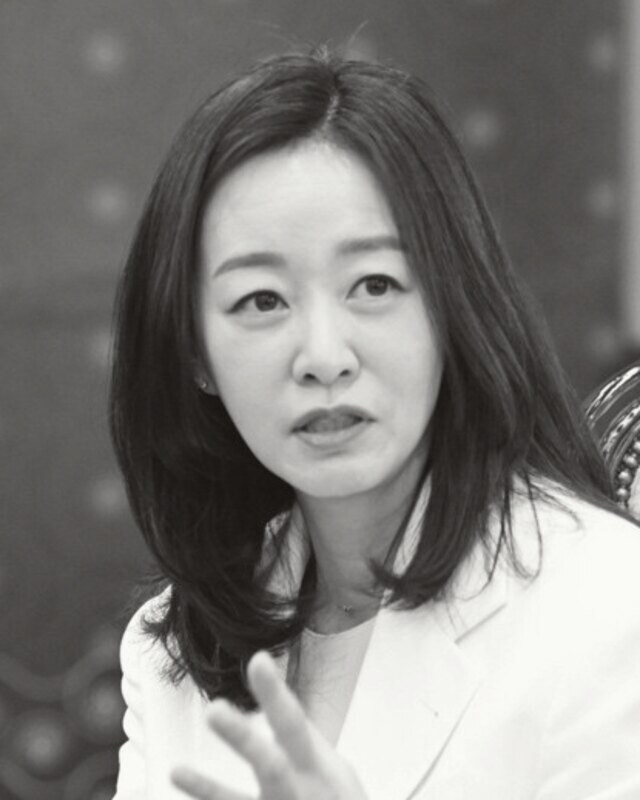
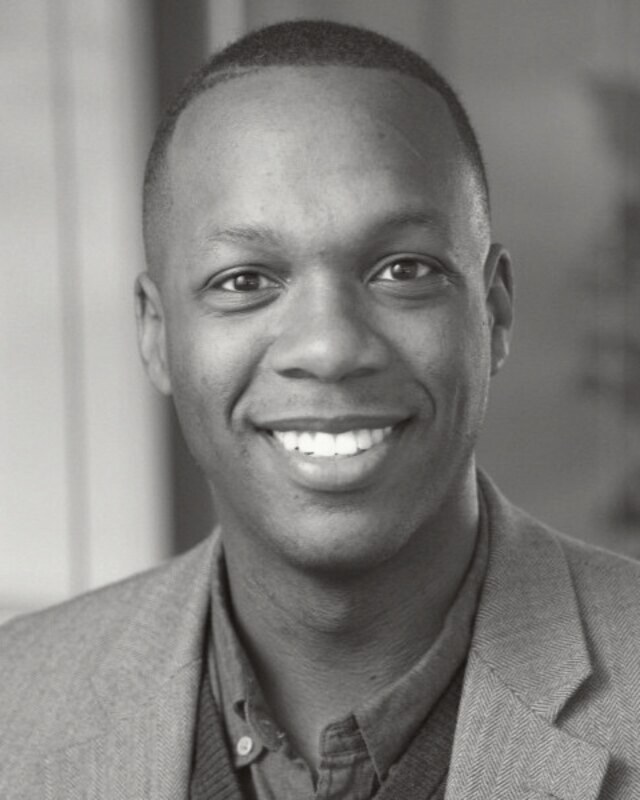
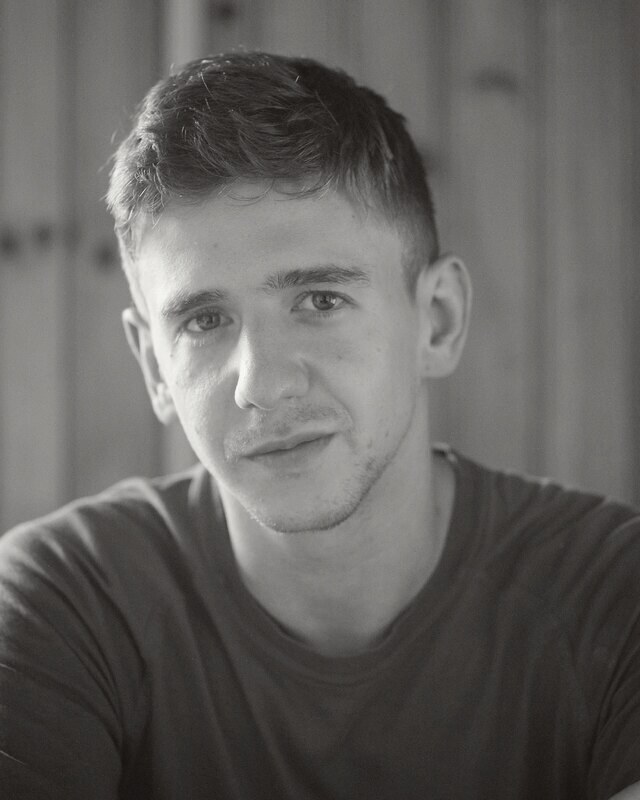
A technologist, researcher, and institution-builder whose career spans computational neuroscience, public-interest technology, and global institutions of science and public policy.
Songyee holds a Ph.D. from the Massachusetts Institute of Technology in computational neuroscience, and earlier studied at the Korea Advanced Institute of Science and Technology. Songyee's work has long sat at the intersection of computing, human cognition, and the ethical questions raised by large-scale technology.
Songyee serves as an advisory council member of the Stanford Institute for Human-Centered Artificial Intelligence, a trustee of the Carnegie Endowment for International Peace and HP Inc., and a member of the MIT Corporation, and previously served on the Republic of Korea's Presidential Advisory Council on Science and Technology under two administrations. Songyee's professional background includes serving as President and Chief Strategy Officer of NCSOFT, where Songyee founded the company's AI and NLP Centers, and founding Principal Venture Partners, an early-stage venture firm focused on AI-native companies.
A science and technology strategist whose work spans research philanthropy, impact investing, and open-science infrastructure.
Jared has held roles at the Ford Foundation, at Schmidt Futures as Manager of Science Investments, at Two Sigma Impact as Vice President, at McKinsey & Company, and in the Office of the Chief Technologist at NASA. Jared is currently Founding Chief Operating Officer of Open Athena, a science-impact organization.
A cognitive scientist whose work spans large-scale scientific collaboration, open research tools, and applied institution-building.
Gal holds a Ph.D. from the Massachusetts Institute of Technology in Brain and Cognitive Sciences, where Gal's research centered on large-scale scientific collaboration and open tools and infrastructure for the research community and an M.Sc. in Experimental Psychology from the University of Oxford.
Gal serves as Scientific Director of Dabtong House, a nonprofit funding and coordinating projects in Bhutan, is a researcher at the Henkaku Center at the Chiba Institute of Technology, and recently served as Project Manager for Gelephu Mindfulness City.
